

Event Photography That Actually Gets Used
Most conference photos are predictably dull. Speaker at lectern looking serious. Audience from behind showing the backs of heads. Maybe some stilted handshakes if the photographer’s feeling adventurous. These images get filed away and forgotten because nobody wants to share photos that scream “generic corporate event.”
Business events offer so much more visual storytelling potential. People are learning, connecting, having breakthrough moments – but most photographers miss all of this because they’re stuck shooting the same tired checklist.
What Makes Conference Photos Actually Useful
- Show people engaging – faces, reactions, and interactions tell better stories than wide shots of empty chairs
- Include the whole experience – prep work, breaks, and informal conversations matter as much as main presentations
- Shoot for sharing – think about what attendees would post on LinkedIn, not just what goes in annual reports
- Feature your audience – engaged participants are proof your content works
- Consider future use – every photo should serve your ongoing marketing needs
Why THE Standard Photos Don’t Work
Traditional event photographers follow a predictable formula. Speaker presentation shot, check. Wide audience view, check. Sponsor logos, check. But these images don’t capture why anyone should care about attending your event.
When did you last see a standard “person at podium” photo and think, “I absolutely must attend that conference”? These shots document what happened without showing what it felt like to be there. There’s no energy, no connection, no reason for someone to feel they missed out.
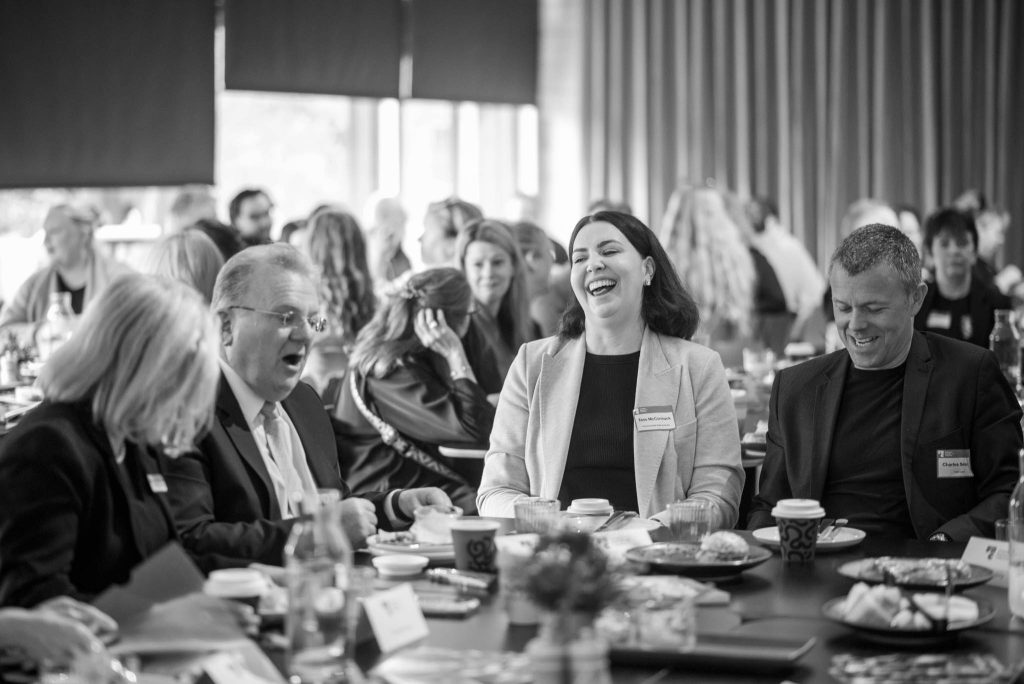
Audience Reactions: Your Best Marketing Material
The most valuable conference photos focus on attendees, not speakers. When someone leans forward taking notes furiously, or breaks into a knowing smile during a presentation, that’s marketing gold. These reactions prove your content resonates.
I position myself where I can see faces rather than the backs of heads. Sometimes that means shooting from the room’s side, sometimes getting low for a better angle. The goal is showing people actively learning and enjoying themselves.
Watch for raised hands during Q&A – there’s usually genuine excitement on someone’s face when they have a burning question. Also keep an eye out for attendees photographing slides with their phones – when someone thinks content is worth capturing, that’s a perfect testimonial moment to document. Capture audience reactions to particularly insightful points or unexpected moments of humor. These authentic responses work harder for your marketing than any staged photo.
Behind-the-Scenes: The Story Before the Story
Some of my favourite event photos happen before the event officially starts. There’s something magical about the energy during setup – sound checks, volunteers arranging name badges, the little details around the venue, attendees arriving early and checking out the space with anticipation.
These behind-the-scenes moments humanise your event. They show the care and preparation that goes into creating a great experience. Plus, they’re perfect for social media stories and “day of the event” posts that build excitement.
Don’t forget about the technical crew, catering staff, and volunteers. These people make your event possible, and including them in your photo story shows appreciation while adding depth to your documentation.
And whilst you have your team in the same place at the same time, be sure to grab some group photos.
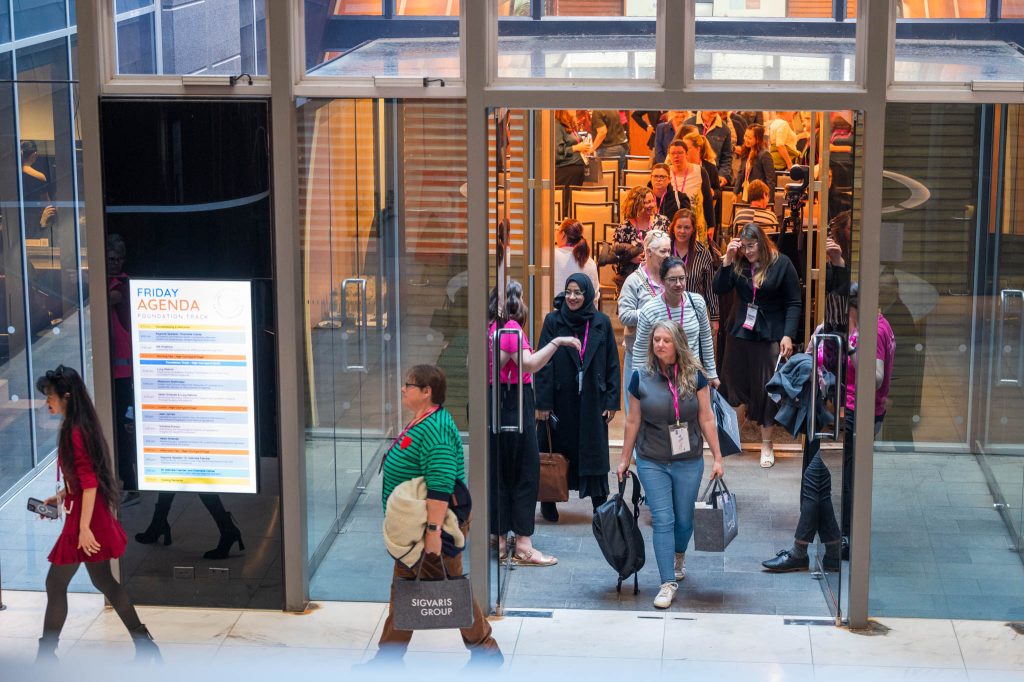
The Details That Show You Care
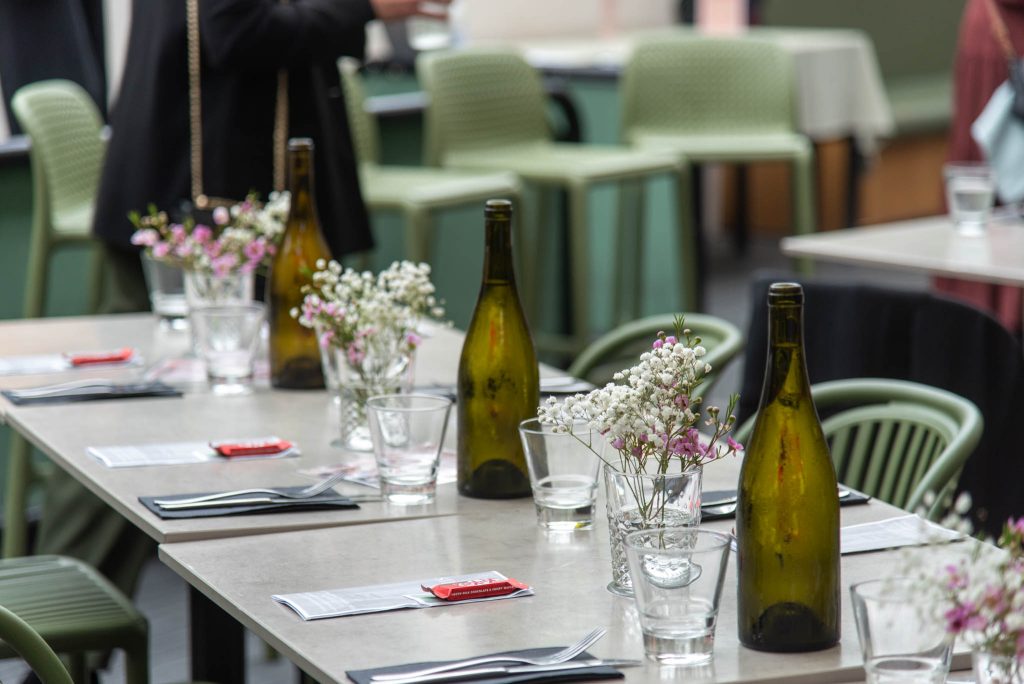
Conference photography shouldn’t overlook the thoughtful touches that demonstrate your commitment to attendee experience. Those custom name badges, carefully arranged registration tables, welcome gift bags, quality catering displays – these details tell a story about your event standards.
Document the small things that attendees notice and appreciate: the specialty coffee station you invested in, the thoughtfully curated goody bags, the floral arrangements that brighten the spaces. These photos work particularly well for sponsor reports and future venue discussions.
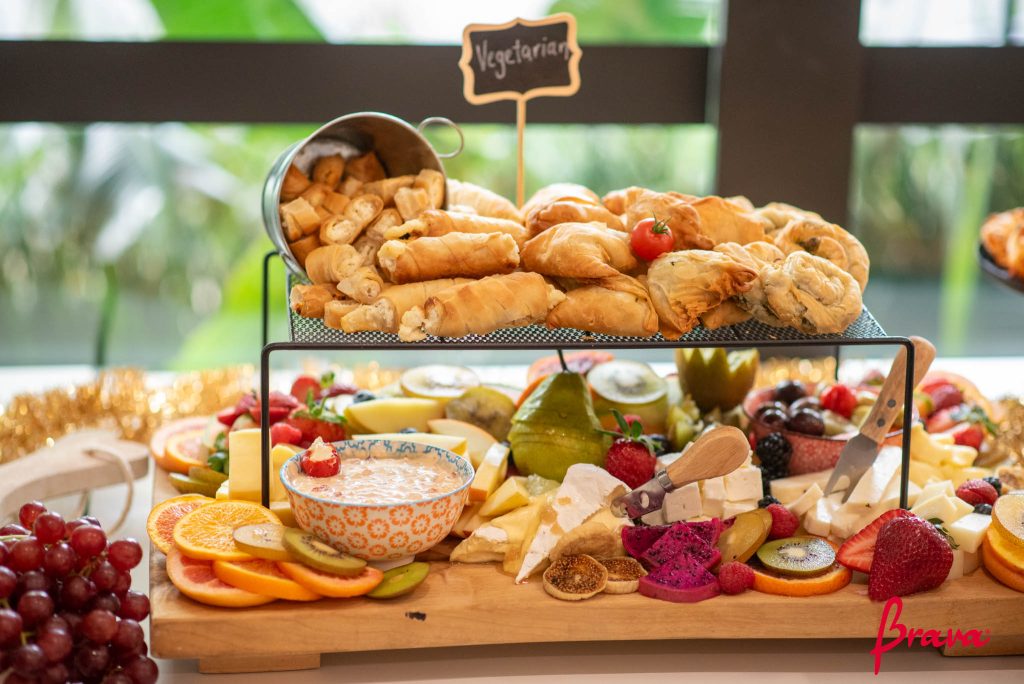
Food photos deserve special attention because let’s face it – good conference food is memorable, and bad conference food… even more memorable. Capture appealing food displays, people genuinely enjoying meals, or those networking conversations that naturally happen around coffee stations and lunch tables.

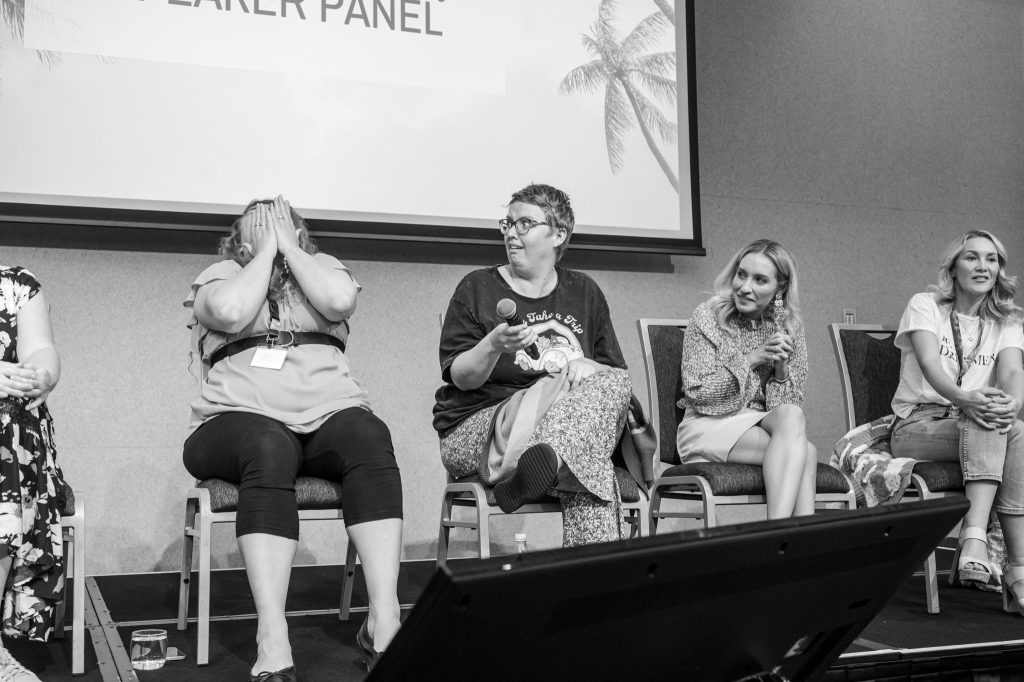
Speaker Personality: Beyond the Professional Headshot
Yes, you need photos of your speakers presenting, but don’t stop there. The most engaging speaker photos capture personality and passion, not just professional competence.
Look for moments when speakers gesture expressively, react to audience questions, or share a laugh with attendees. Catch them in conversation during breaks – these casual interactions often reveal more about their expertise and approachability than any staged photo could.
If your speakers are signing books, demonstrating products, or participating in panel discussions, these activities create much more dynamic and interesting photos than someone simply standing behind a microphone.
Breakout Sessions: Learning in Action
Breakout sessions and workshops are content gold mines because they’re inherently more interactive and intimate than main stage presentations. People are talking, collaborating, and problem-solving together – all fantastic photo opportunities.
Document the collaborative process: people working together on flip charts, small group discussions, hands-on activities. These photos show the practical, actionable value your conference provides. They prove that attendees don’t just sit passively – they participate, engage, and leave with real skills and connections.
Networking: The Real Reason People Come
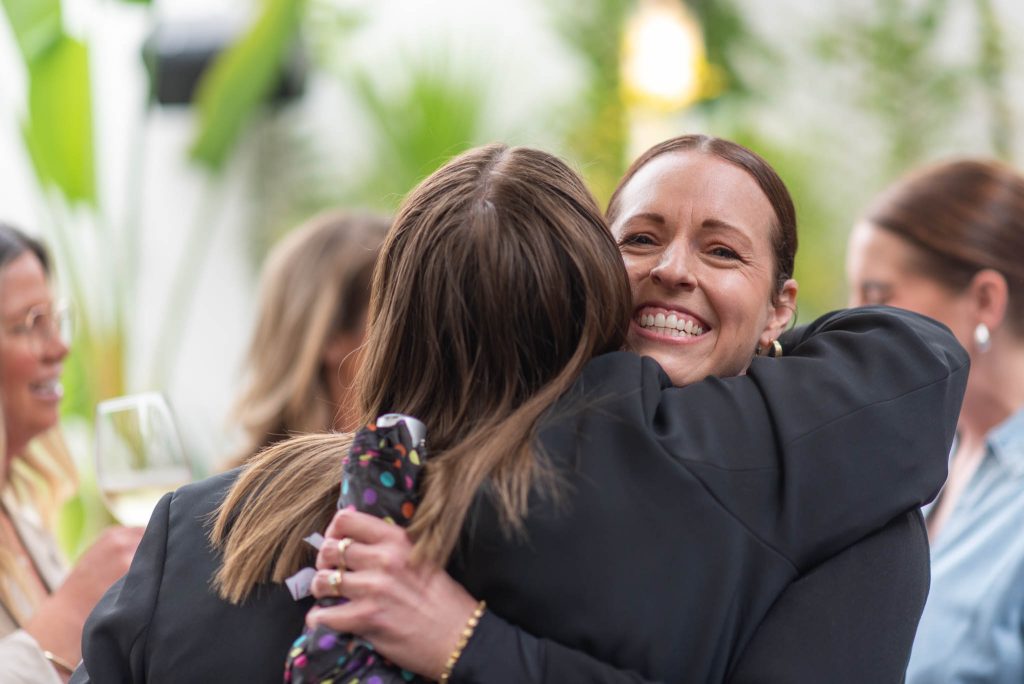
Let’s face it – most people come to conferences as much for the networking as for the content. Your photos should reflect this reality. Capture those moments when strangers become collaborators, when business cards are exchanged with genuine enthusiasm, when someone finds exactly the person they needed to meet.
The best networking photos show people genuinely engaged in conversation. Look for animated gestures, intent listening, shared laughter. These moments tell the story of community building and professional growth that attendees really value.

Creating Social Media Content During the Event
Think like a social media manager while you’re shooting. What photos would attendees want to share immediately? What would make someone watching from afar wish they were there?
Live social media posts during events create FOMO (fear of missing out) and build excitement for future events. But they need to be share-worthy – interesting angles, good lighting, and authentic moments that tell a story.
Consider creating Instagram Story-style content: quick behind-the-scenes moments, speaker prep, funny moments, and genuine reactions. These feel more immediate and authentic than polished promotional photos.
Post-Event Marketing Material Planning
Every photo you take should serve a purpose in your ongoing marketing strategy. Think about how each image could be used:
- Website updates and speaker pages
- Social media content throughout the year
- Next year’s promotional materials
- Case studies and testimonials
- Banners and backgrounds for reports and presentations
- Newsletter content
- Sponsor reports and thank-you materials
Plan your shots with these uses in mind. A great photo of engaged attendees becomes testimonial material. Behind-the-scenes prep shots work perfectly for “planning your event” content. Speaker interaction photos can be used year-round to promote their expertise.
Technical Considerations That Actually Matter
Good conference photography isn’t just about having an good camera – it’s about understanding the environment and working with its challenges.
Lighting in conference venues can be tricky. You’re often dealing with stage lighting that creates harsh shadows, combined with dim audience areas. Learn to work with available light rather than fighting it with flash, which can be disruptive.
Sound is crucial too. Being able to move quietly around the venue without disrupting speakers or attendees is essential. Sometimes the best shot requires waiting for the right moment rather than creating it.
Making Your Investment Count
Conference photography should be an investment that keeps paying dividends long after the event ends. When you focus on capturing authentic moments, genuine connections, and the real experience of attending your event, you create a library of content that tells your story much more effectively than any staged promotional photo could.
The goal isn’t just to document what happened – it’s to make people who weren’t there wish they had been, and make people who were there excited to come back next year.
Frequently Asked Questions
Q: How many photos should I expect from a full-day conference? A: For a full-day event, you should expect 300-500 edited, high-resolution images. This gives you plenty of variety for different marketing uses while ensuring quality over quantity. The exact number depends on the event size, number of sessions, and specific brief requirements.
Q: Do I need permission to photograph attendees at my conference? A: Yes, absolutely. Include photography consent in your registration process and have clear signage at the venue. Consider providing opt-out lanyards or badges for people who prefer not to be photographed. Always respect people’s privacy while creating great content.
Q: When should I hire the photographer – for the full event or just key sessions? A: Full-day coverage gives you the most comprehensive content library, but if budget is tight, focus on your main keynotes, one breakout session type, and all networking periods. The networking photos often provide the best long-term marketing value.
Q: How quickly can I get photos for social media during the event? A: A good event photographer should be able to provide a selection of social media-ready images within a few hours of key sessions. Discuss your timeline upfront – same-day social media content can significantly boost engagement and FOMO.
Q: What’s the difference between event documentation and marketing photography? A: Documentation captures what happened; marketing photography captures what it felt like to be there. Marketing-focused photography thinks about the story, emotion, and future promotional use of every shot, while documentation simply records the proceedings. You want the former for your business photography.